
 By Kent Barnds Executive Vice President of External Relations Augustana College April 20, 2020. We had big plans this spring–a big day of giving planned, exciting initiatives associated with the closing months of a comprehensive campaign, an important capital project challenge and some new events to more deeply engage alumni. But, there will be no Thank You Mobile, stewardship receptions, scholarship banquets, spring or summer baseball outings, senior class focus groups or senior send-off picnics, alumni gatherings or deliberate lessons about the importance of generosity on- and off-campus. COVID-19 has disrupted everything for everyone and college advancement offices are no exception at all. I guess a global pandemic will have that effect.
For Augustana College the impact has included refunding $4.7 million in room and board to currents students, preparing for a loss in summer program revenue of $500,000 or more, ensuring all current students have the resources to continue with their education as we switch to distance instruction and striving to provide income security for our workforce. It is challenging, given most of operating costs (personnel, physical plant, etc.) have not gone away.
Like many others, we started with a degree of paralysis about what to do. Should we lie low and do nothing? Should we focus our attention on immediately helping students? Should we suggest that families receiving a refund choose to donate it to the college? Should we send pledge reminders? Should we continue with business with the clear knowledge that nothing about this time is usual?
When nothing is certain it can result in inaction—or it can be the catalyst that you need to try some new things. We’ve chosen the latter. Here are some recommendations based on what we are doing with our new blank slate.
Mobilize your entire community to show gratitude–We’ve used unanticipated changes in people’s employment and work from home as an opportunity to engage the entire community in stewardship and showing gratitude. Dining services employees, facilities and grounds workers, administrative assistants and many others have been hand-writing thank you cards to all of our donors to express thanks, on behalf of the college. Engaging different members of our community in thanking donors is an important moment in philanthropy education and makes a difference. It also makes a difference to a donor who receives, as I did, a note from a member of the facilities staff.
Think more intentionally about the Class of 2020–The process of celebrating seniors can be somewhat rote on a college campus and we can’t let it be that way this year. Those things that just happen on campus and help prepare students to be alumni are not happening and without picking up the slack we run the risk of losing the Class of 2020 forever. We need to be more intentional than ever before as we think about building a bond with the Class of 2020. In addition to the virtual Last Lecture and Champagne Toast, for which we will be sending a champagne flute to every graduate’s home address, we will be hosting a live online meeting to describe what it means to be an alumna or alumnus of this college, and showcase volunteer and engagement opportunities. We will use this online session as an opportunity to promote alumni engagement, generally, and the 0 year reunion at Homecoming. (Incidentally, voting for the professors to give the Last Lecture is 20% ahead of previous years and the event is on track to be a tremendous success.)
Introduce new services for alumni–Within days of going on lockdown, an alumna stepped forward to volunteer to provide a series of online career development seminars. We’ve always thought our alumni can be helpful to current students who are seeking internships or jobs, but we’ve never considered alumni-to-alumni career development. This expert knew that our alumni were likely to be impacted by COVID-19 and might be in need of sharpening their resumes, LinkedIn profiles and learning a bit about best practices in career development today. Within hours, rather than the typical days or weeks, we launched a series of four seminars exclusively for alumni.
Take your events virtual–We had several stewardship events planned for the spring, which obviously can’t happen as planned. Like others, we made the decision to go virtual with these events. Our first virtual event for giving society donors was a tremendous success and enabled us to engage donors from across the globe, rather than only those in the region where we choose to do the event. We will do more of these. Why hadn’t we thought of doing this previously? Virtual isn’t perfect, but it’s not a bad substitute.
Showcase how your alumni are making a difference–One of the easiest things to do right now is to celebrate your alumni who are on the frontlines of the battle against COVID-19. We sought out graduates working in public and global health, medicine and other career fields. We’ve been doing a series of stories for the website and for alumni newsletters and we’ve been very intentional about inviting those on the frontlines to share their experience during calls and online meetings with various volunteer boards.
Give everyone an opportunity to support your current students–During an online meeting with one of our volunteer boards, while brainstorming ways to engage alumni during this crisis, an alumna asked if she could write a note of encouragement to the students who receive her scholarships (she’s a generous donor who has a current and an endowed award). What a fabulous idea; think about it, here’s someone to whom we normally ask her recipients to write a thank you note! We took this kernel of an idea and put together an effort to attempt to ensure every single one of our currently enrolled students gets a handwritten note of encouragement from a graduate. And, yes, the donor who suggested this will have the opportunity to write a note of support to her scholarship recipients.*
Don’t stop raising money, but think carefully about your message–Fundraising is more important than ever before, given the economic impact of refunds that many colleges have offered for room and board, so we cannot stop fundraising. In fact, many people are inspired to give during times of crisis. Nevertheless, we need to be careful about our messaging. Many colleges have been very successful with Student Emergency Funds to assist with immediate needs students face, and others have re-directed annual day of giving efforts similarly. At Augustana, we are trying to raise unrestricted funds in response to a generous $1 million challenge offered by a trustee who wants to make sure the college emerges strong from this crisis. We are at the front end of this challenge, so I can’t report on the success of this initiative yet.
I have to say that after emerging from the immediate stupor that accompanied a realization that many of our plans were not going to come to fruition, I am incredibly proud of the creative and thoughtful ways in which my colleagues have responded. The need to re-invent what we do has resulted in many initiatives that will outlive this current crisis and improve what we do during the best of times.
*Augustana College developed a volunteer confidentiality agreement that all letter writers and volunteers must complete in order to participate in this effort. Completion of this volunteer agreement ensures compliance with FERPA .
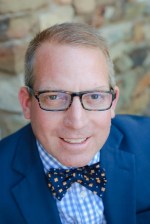 Kent Barnds is Executive Vice President of External Relations at Augustana College. He joined the college in the summer of 2005 as vice president of enrollment. Today, Kent oversees the offices of admissions, financial assistance, communication and marketing, web services, development, alumni relations, athletic program fundraising, parent relations and WVIK — Augustana Public Radio.
As a consultant for higher education admissions offices, he lectures on a wide variety of higher education topics ranging from college admission interviews and essays to the value of a four-year degree from a private college. He has written about staff development, performance management in admissions and has developed a set of performance assessment tools to use in college admissions.
Kent received his B.A. from Gettysburg College and his M.S. in management from Regis University.
 By Dr. Senthil Nathan, Managing Partner Edu Alliance Ltd, Abu Dhabi April 13, 2020 Public health experts and economists work with data analysis to understand past trends, make decisions for today and create policies for tomorrow. Covid-19 has created an instinctive awareness for data even among the general public. But how to and how not to use data, statistics and probability in decision and policy making?
 Edu Alliance Group, Inc. (EAG) is an education consulting firm located in Abu Dhabi, United Arab Emirates and Bloomington, Indiana USA. We assist higher education institutions worldwide on a variety of mission critical projects. Our consultants are accomplished university / college leaders who share the benefit of their experience to diagnose and solve challenges.
 Edu Alliance Journal