
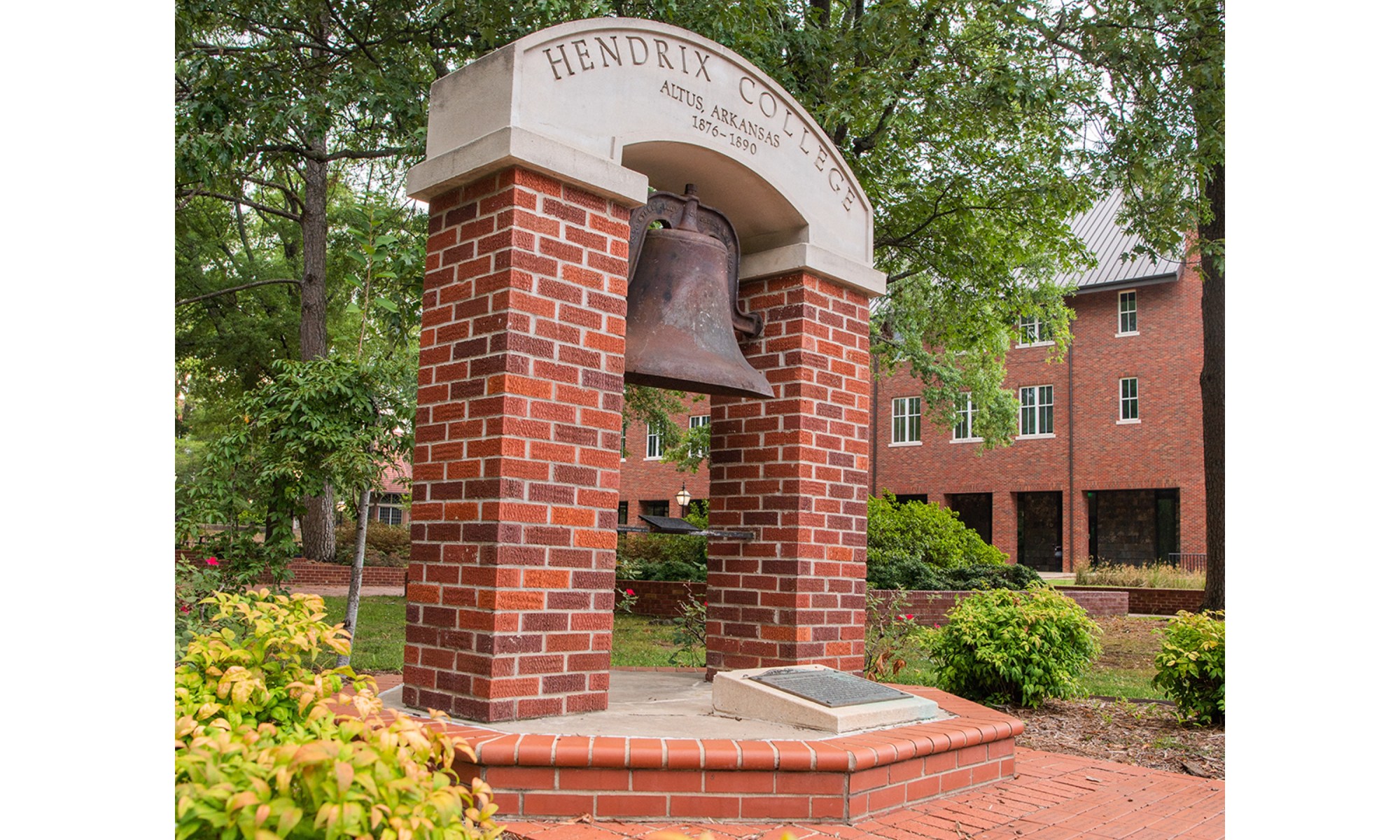
February 23, 2025, by Dean Hoke: This profile of Hendrix College is the third in a series presenting small colleges throughout the United States.
Background
Hendrix College, founded in 1876, is a private liberal arts institution located in Conway, Arkansas. Its 175-acre campus has been affiliated with the United Methodist Church since 1884 and is nationally recognized for its academic excellence, student engagement, and commitment to innovation. Dr. Karen K. Petersen, the 13th President of Hendrix College, began her tenure in June 2023.
The student-to-faculty ratio is 11:1, fostering close interactions between students and the 91 full-time faculty members, 89% of whom hold a Ph.D. or equivalent degree. For the 2025-2026 academic year, the total cost of attendance, including tuition, fees, room, and board, is $55,080. The average net price, according to the College Board, is $22,626. More than 90% of students live in college-owned housing.
Curricula
Hendrix offers 30 majors and 33 minors, encompassing a wide range of disciplines in the arts, humanities, sciences, and social sciences. Notable programs include Psychology, Health Science, Biology, Biochemistry and Molecular Biology, Computer Science, and Economics & Business. A cornerstone of the Hendrix educational experience is the Odyssey Program, which encourages students to engage in hands-on learning through projects, internships, and global experiences, thereby fostering both personal and academic growth.
Strengths
- Engaged Learning: The Odyssey Program exemplifies Hendrix’s dedication to experiential learning, providing students with opportunities to apply classroom knowledge in real-world contexts.
- High Graduation Rate: The four-year graduation rate stands at 67.3%, with 85% of 2022 graduates completing their degrees within four years.
- Post-Graduation Success: About one-third of graduates pursue advanced studies immediately, with the majority gaining acceptance into graduate or professional programs before graduation.
Weaknesses
- Cost of Attendance: The total direct cost for the 2025-2026 academic year is $55,080, which may pose a financial challenge for some students. However, Hendrix offers merit scholarships ranging from $13,000 to $24,000 and meets a significant portion of demonstrated financial need.
- International Enrollment Challenges: Hendrix has less than a handful of international students compared to the 5-6% national average.
- Limited Graduate Programs: While Hendrix provides a Master of Arts in Accounting, its primary focus is on undergraduate education.
Economic Impact
Situated in Conway, Arkansas, a city with a population of approximately 66,000 and part of the Little Rock metropolitan area, Hendrix College contributes significantly to the local economy. In a report by the Conway city government, they state: “Over 100 years ago, Conway made the strategic decision to pursue institutions of higher learning as a means of growing the Conway economy. That choice has paid countless dividends ever since. As the colleges have grown, so has their economic impact. Perhaps more importantly, over time, they have laid the foundation for Conway’s modern workforce.”
The presence of Hendrix College, the University of Central Arkansas, and Central Baptist College is, without a doubt, the reason Conway has such a remarkably young (median age 27.3) and educated (almost 40 percent with at least a bachelor’s degree) population. Those two qualities stand out nationally as the city competes for jobs in today’s economy. The result is a regional economy that has been recognized as one of the most diverse in the nation. Conway is among the nation’s top 20 percent of fastest growing cities with populations over 50,000.
Enrollment Trends
As of Fall 2023, Hendrix College has enrolled 1,120 students from 39 states and 17 countries. The student population is evenly split between male and female students, and more than 90% reside in college-owned housing, including residence halls, houses, and apartments. Approximately 44% of students are from Arkansas, while 56% come from out of state.
Like many private colleges, Hendrix has experienced a slow, steady enrollment decline of 23% over the past decade

Degrees Awarded by Major
In the 2023-2024 academic year, Hendrix College awarded 227 Bachelor of Arts degrees in 28 different majors and eight Master of Arts degrees in Accounting.

Alumni
LinkedIn data shows that the college has nearly 9,000 alums. 60% live outside of Arkansas, 3,575 reside in Arkansas, 2,600 in the Little Rock Region, and 851 in the Conway area.
Graduation Rates are 67.3% in four years and 68.5% in six years. Approximately 75% of graduates who apply to medical or dental school are accepted, and the law school acceptance rate is 78%.
Notable Alumni:
Dr. Margaret Pittman (Class of 1923): A pioneering bacteriologist, Dr. Pittman was the first woman to lead a National Institutes of Health (NIH) laboratory. Her groundbreaking research on vaccines for diseases such as typhoid, cholera, and whooping cough has had a lasting impact on public health.
Craig Leipold (Class of 1974): A prominent businessman best known as the owner of the National Hockey League’s (NHL) Minnesota Wild.
Douglas A. Blackmon (Class of 1986): A journalist and author, Blackmon won the Pulitzer Prize for his book “Slavery by Another Name,” which explores the re-enslavement of Black Americans from the Civil War to World War II.
Trenton Lee Stewart (Class of 1992): An author best known for the “Mysterious Benedict Society” series, Stewart’s work has captivated readers worldwide.
Dr. Arthur Thomason (Class of 1997): Working at NASA’s Johnson Space Center with Barrios Technology, Dr. Thomason is an Extravehicular Activities (a.k.a. space walk) flight controller and instructor for NASA.
Ashlie Atkinson (Class of 2001): An actress recognized for her work in film, television, and theater, Atkinson has appeared in productions like BlacKkKlansman, The Gilded Age, and Mr. Robot.”
Endowment and Financial Standing
As of June 30, 2024, Hendrix College’s endowment stands at $206 million, bolstered by a successful $150 million fundraising campaign. The campaign, titled A Time to Lead, added $84 million to its endowment. These funds support scholarships, faculty positions, and institutional initiatives.
Hendrix holds a 2.705 rating and a B- grade in the 2023 Forbes financial report.

Why Hendrix Remains Relevant
Hendrix College stands out in the following areas:
- Academic Excellence: Known for its strong liberal arts curriculum, Hendrix is frequently ranked among the top liberal arts colleges in the U.S., reflecting its strong academic programs, student satisfaction, and overall institutional quality.
- Odyssey Program: Hendrix stands out for its Odyssey Program, which emphasizes hands-on learning through internships, research, service, and global experiences, making education more experiential and practical.
- Economic Impact: Located in Conway, Arkansas, Hendrix contributes significantly to the local economy through employment, student spending, and cultural enrichment.
- Graduate Success: Hendrix has a strong track record of graduate success, underscoring its role in shaping well-rounded individuals equipped for personal and professional achievements. They have graduates who have excelled in various fields, including writing, film/arts, sciences, and business, adding to the institution’s prestige and influence.
- Endowment Growth: The college’s stable and growing endowment supports scholarships, faculty development, and campus improvements, ensuring long-term sustainability and competitiveness.
With its commitment to liberal arts education, hands-on learning, and student success, Hendrix College remains a vital institution in higher education.
Dean Hoke is Managing Partner of Edu Alliance Group, a higher education consultancy, and formerly served as President/CEO of the American Association of University Administrators (AAUA). With decades of experience in higher education leadership, consulting, and institutional strategy, he brings a wealth of knowledge on small colleges’ challenges and opportunities. Dean, along with Kent Barnds, are co-hosts for the podcast series Small College America. Season two begins February. 25, 2025


 Edu Alliance Journal